
So, you’re thinking about a home remodel? That’s exciting! But before you grab a sledgehammer, there’s a key decision to make: should you DIY, or hire a pro?
While the internet is filled with inspiring DIY transformations, not every project is suitable for amateur hands. Some jobs are perfect for the motivated homeowner, while others are best left to licensed professionals. This article helps you navigate the tricky terrain of DIY remodeling by outlining five jobs you can confidently handle—and five you absolutely shouldn’t.
Why the DIY Appeal?
The DIY trend continues to grow, driven by the promise of cost savings, creative control, and personal satisfaction. Studies show over half of homeowners say they would attempt a home renovation themselves to save money. DIYers appreciate being able to work at their own pace, control quality, and express their creativity.
But while the appeal is strong, the reality of DIY can be more complicated than it appears. And, there’s a lot more to actually planning and budgeting a remodel before pulling down drywall – starting a remodel without a solid remodeling plan, whether it’s going to be a DIY project, or hired out, is the only proven method to get control over the budget.
The Reality Check: DIY Isn’t Always Cheaper
Saving money is a strong motivator—but it doesn’t always pan out. Hidden costs like tool purchases, wasted materials, and repairs for botched jobs can quickly erode your savings. Many homeowners go over budget on their renovation projects, and few account for the value of their time. Is spending your weekends wrestling with plumbing fittings really worth the savings?
DIY-Friendly Projects: 5 Jobs You Can Confidently Tackle – And Save $$$
With the right preparation and safety precautions, these five remodeling jobs are ideal for capable DIYers:
Not every remodeling task requires a professional—and when done right, certain DIY projects can yield substantial savings – especially when using the many remodel planning and budgeting tools available for free. Here are five homeowner-friendly jobs that deliver real value with relatively low risk.
1. Painting (Interior and Exterior)
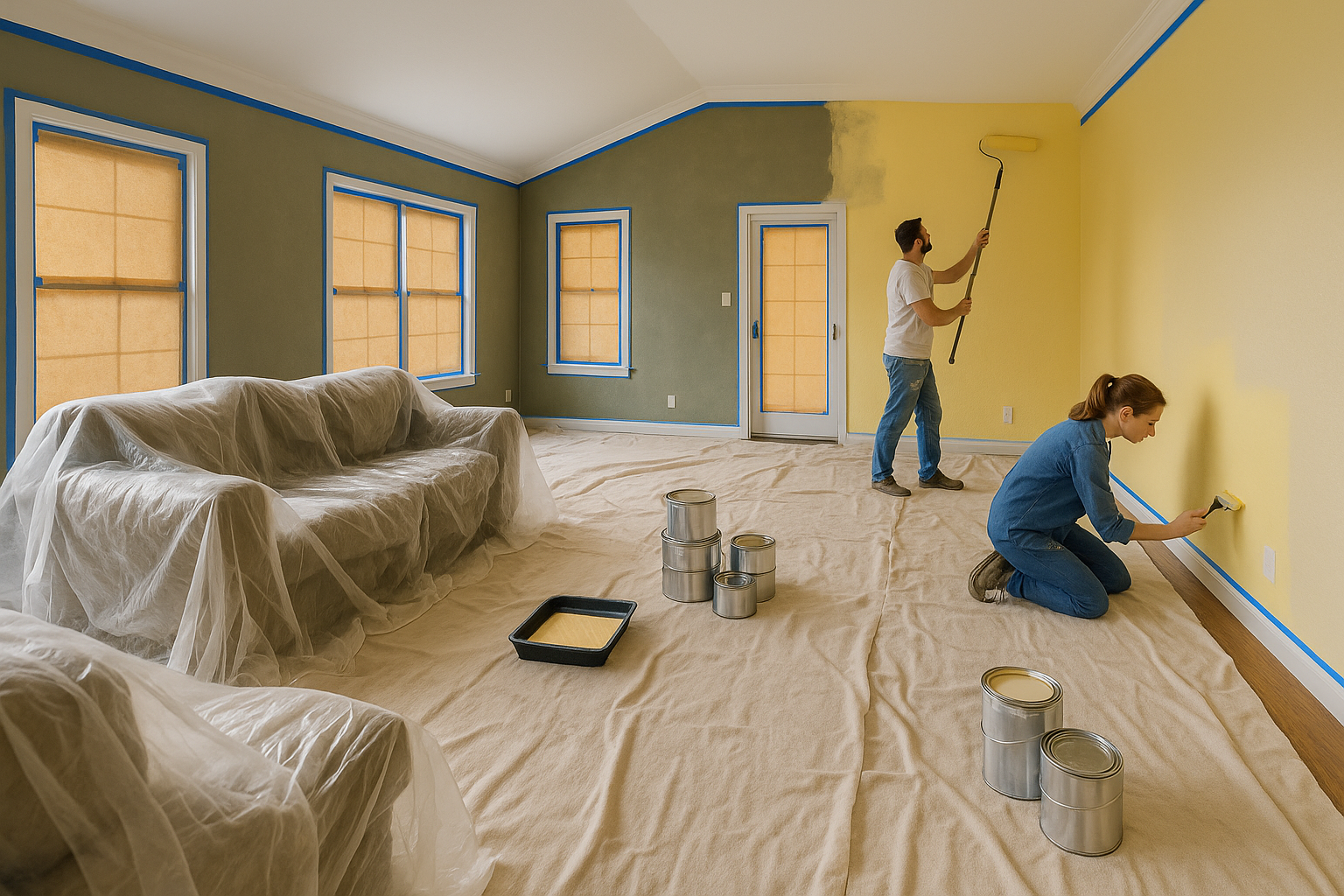
Painting is one of the most cost-effective DIY projects. Since labor accounts for 70–85% of a professional painting bill, doing it yourself can lead to major savings.
- Professional cost to paint an average room: $1,100 (ranging from $200 to $2,000 depending on size and complexity)
- DIY cost: $200–$400 in materials and supplies, or $412–$736 if you also need to buy basic equipment
- Estimated savings per room: $700–$1,000
- Whole house (interior): Professionals may charge $4,000–$6,000 to paint a 2,000 sq ft home, while DIY materials typically cost $1,000–$2,000
- Example: Painting a 12×12 room yourself could save $700 or more compared to hiring a pro
2. Replacing Fixtures
Swapping out faucets, cabinet hardware, or light fixtures is a simple DIY task that can refresh your space without the cost of a professional.
- Professional labor per fixture: $100–$200 (not including the cost of the fixture)
- DIY cost: Just the cost of the fixture, usually $50–$300 for modern or water-efficient models
- Estimated savings per fixture: $100–$200
- Example: Replacing three bathroom faucets and two light fixtures yourself could save $500–$1,000 in labor
3. Installing a Backsplash
Backsplashes are one of the most popular kitchen or bathroom upgrades—and a great DIY opportunity.
- Professional installation: $1,200–$1,800 for a standard kitchen backsplash
- DIY cost: $100–$500 for tile, adhesive, and tools
- Estimated savings: $800–$1,300
- Example: Even accounting for mistakes or extra materials, you can save over $1,000 by installing your backsplash yourself
4. Minor Demolition
Demolishing carpet, removing cabinets, or tearing down non-load-bearing walls is a dirty but manageable task.
- Professional carpet removal: $1–$2 per square foot, or $200–$400 for a typical room
- DIY cost: $20–$50 for tools, bags, and protective gear
- Estimated savings per room: $150–$350
- Example: Removing carpet from three rooms could save $500–$1,000 in labor costs
5. Landscaping
- Basic landscaping jobs like planting, mulching, and creating garden beds are DIY-friendly and highly rewarding.
- Example: Building a garden bed and refreshing your front yard with mulch could save $1,000–$2,000
- Professional landscaping (average project): $1,000–$5,000
- DIY cost: $200–$1,000 for plants, mulch, and tools
- Estimated savings: $800–$4,000 per project
Here Are 5 Remodeling Jobs You Should Never DIY
These projects require technical expertise, certifications, and often legal permits. DIY attempts can result in serious hazards, structural failures, or expensive code violations.
- Structural Changes
Altering load-bearing walls or foundations should always be handled by licensed professionals and structural engineers. - Electrical Work
Electrical work must follow local codes and safety standards. Mistakes here can result in fire or injury. Always hire a licensed electrician. - Plumbing Work
Improper pipe work can lead to major leaks, water damage, or sanitation problems. Complex plumbing jobs should be left to licensed plumbers. - HVAC Systems
Installing or repairing heating and cooling systems requires specialized tools and training. Hire a certified HVAC technician. - Roofing
Roof repairs or replacements are physically dangerous and highly technical. This is one job you shouldn’t try to climb into.
The Pitfalls of YouTube DIY Tutorials
Online tutorials are a popular starting point—but they can also be misleading. Many oversimplify complex tasks, skip over regional code differences, and ignore safety protocols. Even skilled homeowners can be tripped up by poor instructions or missing context.
In fact, many DIYers admit to making serious errors: nearly half report completely botching a project. The takeaway? Proceed with caution—and skepticism—when learning from social media.
DIY Remodeling Horror Stories
The internet is full of cautionary tales. Structural collapses, house fires from faulty wiring, plumbing floods, and stop-work orders due to unpermitted renovations all serve as warnings. Often, these missteps end up costing far more than hiring a pro would have in the first place.
Protecting Your Investment
Whether you’re going solo or working with a contractor, protecting your investment is essential:
- Obtain permits: Make sure all required permits are filed and approved before beginning work.
- Follow building codes: Avoid fines, legal issues, and resale problems by staying compliant.
- Document everything: Keep thorough records of contracts, purchases, permits, and inspections.
- Check your insurance: Ensure your homeowners insurance covers construction-related incidents and tools.
Final Thoughts
DIY remodeling can be empowering and budget-friendly—but only when approached with honesty about your skills and a clear-eyed view of the risks. By choosing the right projects, doing your homework, and knowing when to call in help, you’ll get the results you want—without turning your dream project into a nightmare.