
Takeaways:
Contractor horror stories are remodeling failures caused by poor vetting, vague contracts, skipped permits, or lack of homeowner oversight—often resulting in lost money, unfinished work, or legal trouble.
These situations are not rare. A significant percentage of remodeling projects experience delays or exceed their budgets, and many of the worst outcomes trace back to contractor selection and contract structure, not design choices.
This article examines real-world contractor horror stories to explain:
- What went wrong
- Why these problems happen so often
- What homeowners can do to prevent them
Why Contractor Disasters Happen
Most contractor horror stories don’t start with bad intentions. They start with unchecked assumptions.
Common risk factors include:
- Hiring without verifying licensing or insurance
- Accepting vague or lowball bids
- Skipping written contracts or timelines
- Allowing work to begin without required permits
- Paying too much money too early
Remodeling places strangers inside your home with access to your finances, property, and safety. Vetting a contractor isn’t paranoia—it’s basic risk management.
Construction is a high-risk industry with wide variation in professionalism, experience, and accountability. Homeowners who skip due diligence often discover problems only after money has changed hands.
What This Article Covers
Using real homeowner experiences from the field, this article breaks down:
- The most common contractor failure scenarios
- How warning signs are missed early
- The financial and legal consequences that follow
- Practical steps to avoid becoming the next cautionary tale
These stories are not shared for shock value. They’re shared to show exactly where things go wrong—and how to stop that chain reaction before it starts.
Common Contractor Horror Story Patterns
Most contractor disasters fall into predictable categories:
- Deposits paid before verification
- Unlicensed or uninsured work
- Projects with no enforceable timeline
- Permit requirements ignored or misrepresented
- Final payments released before work is truly complete
Understanding these patterns makes them easier to spot—and easier to avoid.
Remodeling can transform your home—or turn your life upside down. For every stunning “after” photo, there’s a nightmare tale of vanished deposits, endless delays, or shoddy work that costs homeowners thousands. These aren’t isolated incidents. According to Clever Real Estate, 46% of remodels experience delays, and Houzz reports that 53% go over budget. These stats don’t lie—bad contractors are often to blame.
In this article – built around real-life horror stories we’ve seen unfold in the field – we’ll examine what went wrong, what you can learn, and how to protect your family, finances, and sanity from becoming the next cautionary tale.
Four True Horror Stories (Names Changed, Lessons Real)
1. The Vanishing Deposit
Jane hired a contractor for a $15,000 kitchen upgrade. She paid $7,500 upfront. That was the last she saw of him. No license check, no references, no contract—just a business card and a smile. The contractor disappeared. Jane learned the hard way: verify everything. She skipped the checklist found in Red Flags to Watch for When Hiring, and it cost her dearly.
2. The Leaky Mess
Tom went with a “budget-friendly” $20,000 bid for his bathroom remodel. Six months later, the tiles were cracking, and leaking pipes had caused water damage in the walls. The contractor wasn’t licensed. With no written warranty and no recourse, Tom paid $8,000 out of pocket to redo everything. His mistake? Falling for the lowball bid without verifying credentials or demanding material specifications.
3. The Endless Delay
Mike hired a contractor to build a $30,000 addition with a promised 12-week timeline. Ten months later, it was still unfinished. Why? No timeline clause in the contract. No accountability. In the end, Mike spent an extra $5,000 in rent.
4. The Permit Skip
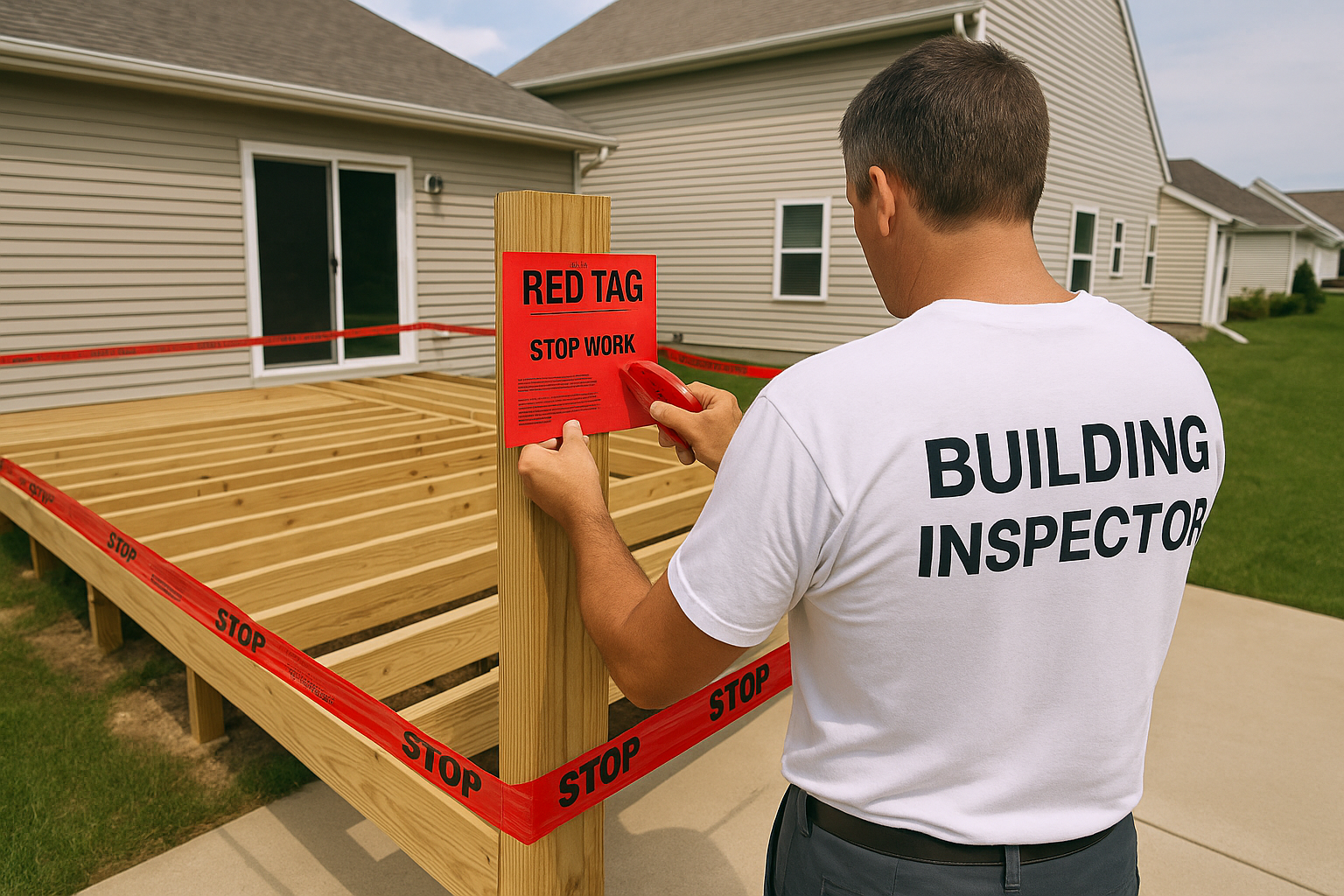
Sarah hired a guy for a $10,000 backyard deck. He assured her, “No permit needed.” It was finished in a week—and torn down a month later. The city flagged it for lacking proper permits. She paid a $2,500 fine and another $4,500 to rebuild it. The lesson? Permits are not optional. The article The #1 Home Remodeling Mistake makes this crystal clear.
What These Homeowners Learned (the Hard Way)
- Vet Before You Regret: Always verify license, insurance, references, and reviews. A quick online check can save you thousands.
- Don’t Skip the Bid Review: Vague bids are traps. Require detailed line items for labor, materials, and overhead.
- Tie Payments to Milestones: Never pay more than 10% upfront. Require progress payments after inspections or major stages.
- Permits Matter: Always confirm what’s required and ensure the contractor pulls them. You’re legally responsible if they don’t.
- Hold Back Final Payment: Withhold at least 10% until the final walkthrough and punch list are complete.
How to Avoid Becoming a Horror Story
- Ask for Three References: Then actually call them. Ask about budget, schedule, and professionalism.
- Require a Background Check: It’s your home—don’t apologize for protecting it. Get one here.
- Get It All in Writing: Timeline, costs, materials, scope—everything.
- Predefine Change Orders: Add a cap and approval process to prevent cost creep.
- Be Wary of Cash Deals: “Cash only” is often code for “no accountability.”
And finally, be realistic. Over-improving—like putting $50,000 in upgrades into a $200,000 home—doesn’t always make sense. Remodeling is as much about financial strategy as it is about design.
Frequently Asked Questions
What is a contractor horror story?
A contractor horror story is a remodeling failure involving financial loss, unfinished work, safety issues, or legal problems—usually caused by inadequate contractor vetting, poor contracts, or skipped permits.
What is the most common mistake homeowners make when hiring a contractor?
The most common mistake is hiring based on price alone without verifying licensing, insurance, references, and contract details.
How much money should a homeowner pay upfront to a contractor?
In most residential remodels, upfront payments should be limited to 10% or less, with additional payments tied to verified milestones—not time alone.
Why are building permits important in remodeling?
Permits ensure work meets safety and code requirements. If a contractor skips permits, the homeowner—not the contractor—is typically legally responsible for fines, corrections, or removal of unapproved work.
Can a homeowner be fined if a contractor skips permits?
Yes. Homeowners are often held liable for unpermitted work, even if the contractor assured them permits were unnecessary.
How can homeowners protect themselves from bad contractors?
Key protections include:
- Verifying licenses and insurance
- Requiring detailed written contracts
- Tying payments to milestones
- Confirming permit requirements
- Holding back final payment until punch list completion
Is the lowest bid usually a red flag?
Not always, but significantly lower bids often indicate missing scope, inferior materials, or shortcuts that lead to change orders, delays, or defects later.
What should a homeowner do if a contractor disappears or abandons the job?
Documentation is critical. Contracts, payment records, photos, and inspection reports are often required for legal or insurance remedies.
Conclusion: Learn or Burn
Every horror story here started with a choice – a shortcut taken, a detail skipped, a gut feeling ignored. But they don’t have to be your story. With the right tools, questions, and boundaries, your remodel can be a dream fulfilled – not a disaster endured.
Dive Deeper: Red Flags to Watch for When Hiring a Contractor